
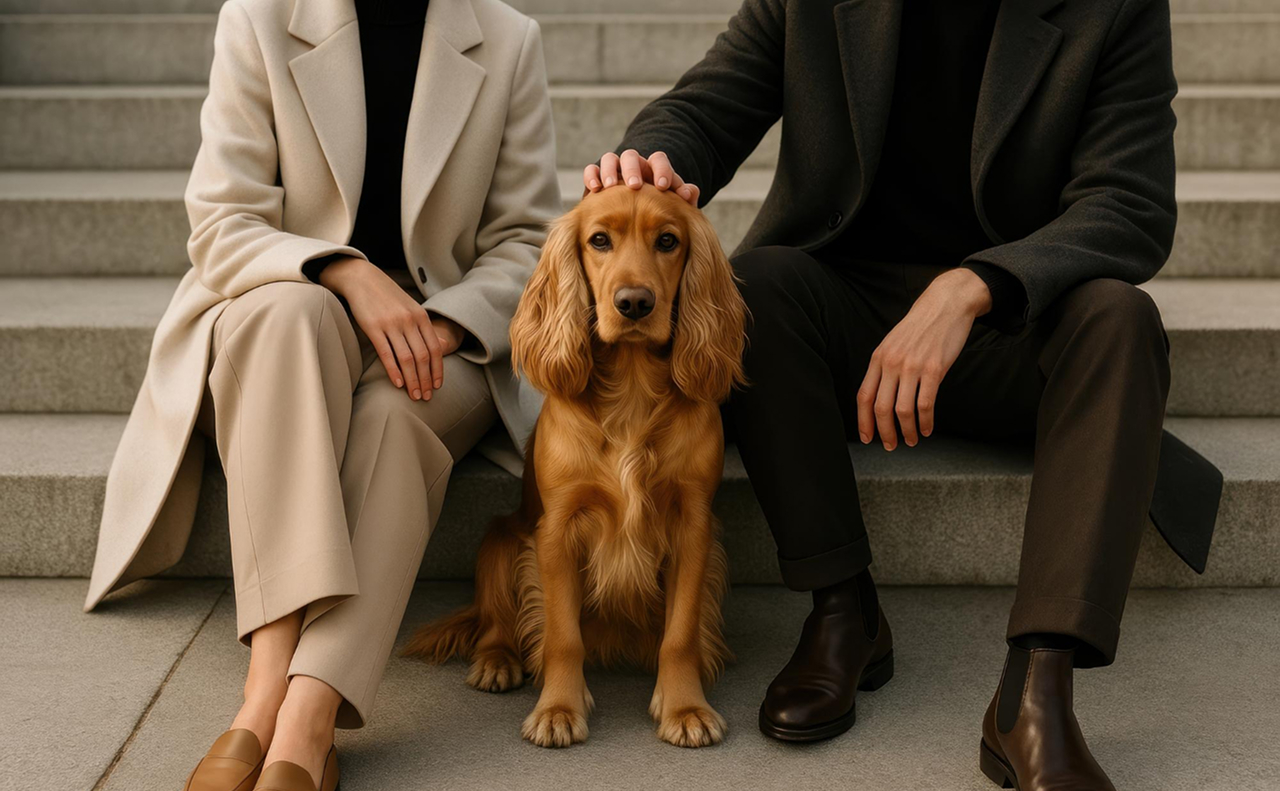
In many relationships, pets become more than just animals; they become integral members of the family. However, when a relationship ends, the question of who gets to keep the pet after a separation can become a highly emotional and complex legal dispute.
Clients often ask us the following: In Ontario, are pets treated like children in a custody battle? Are concepts like “visitation rights” or “custody” applicable to our dog or cat? The case of King v. Mann provides a clear look at how Ontario courts handle these disputes.
The Legal Status of Pets in Ontario
Despite the deep emotional bonds we form with our pets, Ontario law remains firm on one point: pets are considered personal property, therefor they are not treated by the family law rules.
From a legal standpoint, a dog or cat is viewed similarly to other personal assets, such as a car, a piece of jewellery, or furniture. The general legal principle is simple: the owner of the pet is the person who purchased it. Courts are generally reluctant to weigh in on who has a “better” bond with the animal or who is more emotionally suitable to care for it, as their role is typically restricted to determining legal title.
Case Study: King v. Mann
Glen and Sharon began a relationship in 2013, eventually buying a house and getting engaged in 2015. That same year, they purchased a dog named Cooper. After their relationship ended in 2019, a dispute arose over who owned the dog.
The Conflict
Documents confirmed that Sharon was the one who purchased the dog. Under standard property law, this made her the legal owner. However, Glen argued that the dog had been given to him as a gift and that he was, therefore, the true owner.
The Test for a “Gift”
To prove that ownership was transferred as a gift, the court requires three specific elements to be met:
- Clear Intent: The owner must show an absolute intent to give the property away.
- Delivery: The property must be physically handed over or transferred to the recipient.
- Acceptance: The recipient must clearly accept the gift.
Why the Court Rejected the Claim
The court analyzed Glen’s argument against these three criteria and found it lacking:
1. No Intent to Gift
It was revealed that Glen was originally opposed to getting a dog. Sharon had purchased Cooper without consulting him. While Glen pointed to Sharon, saying, “Look what I bought for you,” the court viewed this not as a legal transfer of property but as an emotional reaction to soften the impact of an impulsive purchase.
2. No Real Delivery
Because the couple was living together, the dog remained in the shared home. Even after the separation, Sharon took the dog with her. There was no distinct moment when the dog was “delivered” to Glen as his sole property.
3. Lack of Acceptance
The court found that Glen’s initial reaction was one of annoyance, not gratitude. The court ruled that “loving the dog later” does not constitute the legal acceptance of a gift at the time of purchase.
Does Sharing Costs Create Ownership?
Glen also argued that because he contributed to the dog’s food, care, and veterinary bills, he should be recognized as an owner. The court rejected this, emphasizing that contributing to the maintenance of an item does not grant legal title to that item.
The Court’s Final Decision
Because Sharon was the original purchaser, no evidence existed of a valid gift transfer, and maintenance contributions do not confer ownership, the court ruled that Sharon remained the sole legal owner of Cooper.
Key Takeaways
The King v. Mann case serves as a vital reminder of how Ontario courts approach these sensitive matters:
- Pets are Property: The law currently focuses on legal title, who bought the animal, rather than emotional attachment.
- Gifts Must Be Proven: If you claim a pet is a gift, you must be able to prove clear intent, delivery, and acceptance. This is a high burden to meet in court.
- Maintenance Isn’t Ownership: Paying for vet bills or food is expected in a shared household and does not convert personal property into joint property.
Summary
While the law is evolving in how we view the bond between humans and their pets, the current reality in Ontario is that ownership disputes are decided based on traditional property law.
These situations are deeply personal and stressful. We recommend documenting ownership records early and seeking legal advice to understand how your specific circumstances might be viewed by the court.








No comment