


Writ of Mandamus
A writ of mandamus is a legal remedy that compels a public authority, such as Immigration, Refugees and Citizenship Canada (IRCC), to perform a public legal duty that it has failed or refused to carry out.
In the context of Canadian immigration law, a writ of mandamus is typically sought when there has been an unreasonable delay by IRCC in making a decision on an application. If granted, the Federal Court orders IRCC to issue a decision within a specified timeframe, without directing the outcome of that decision.

What to Expect?
Free Consultation
Once you submit your consultation request above, you will receive an email from our team to schedule a 15-minute call with Vahid Yeganeh, our immigration lawyer, during which you can ask any questions you may have.
Intake
Once you decide to retain our services, you will be asked to sign a retainer agreement and verify your ID in a one-on-one Zoom meeting with our legal assistant.
Show Us What You’ve Submitted
Send us all documents previously submitted to IRCC, along with any webforms or additional supporting documents submitted after your application.
Demand Letter to IRCC
We prepare and send a formal demand letter giving IRCC a reasonable opportunity to finalize your application before filing with the Federal Court.
Notice of Application
If IRCC does not act, we file the Notice of Application with the Federal Court to begin the mandamus proceeding.
Filing Fee Payment
The $50 Federal Court filing fee will be paid, after which your case will be assigned an application number, and the Department of Justice will file a Notice of Appearance on behalf of IRCC.
Application Record
Reply Record
If IRCC files a response, we review it and file a Reply Record addressing any new issues raised by the Department of Justice.
Hearing
If the matter is not resolved beforehand, the Federal Court schedules a hearing where our lawyer will argue your case before a judge.
Why Choose US
At Englobe LLP, we understand how frustrating long IRCC delays can be. Led by Vahid Yeganeh, a litigator experienced in Federal Court matters, our firm is known for precision, transparency, and hands-on lawyer involvement at every stage.
Our structured and efficient process ensures your file is handled with precision, from the initial demand letter to Federal Court filings.
In several recent matters, IRCC has issued decisions shortly after we filed a mandamus application. While client details remain confidential, these outcomes reflect our commitment to effective and timely advocacy

Representative Cases
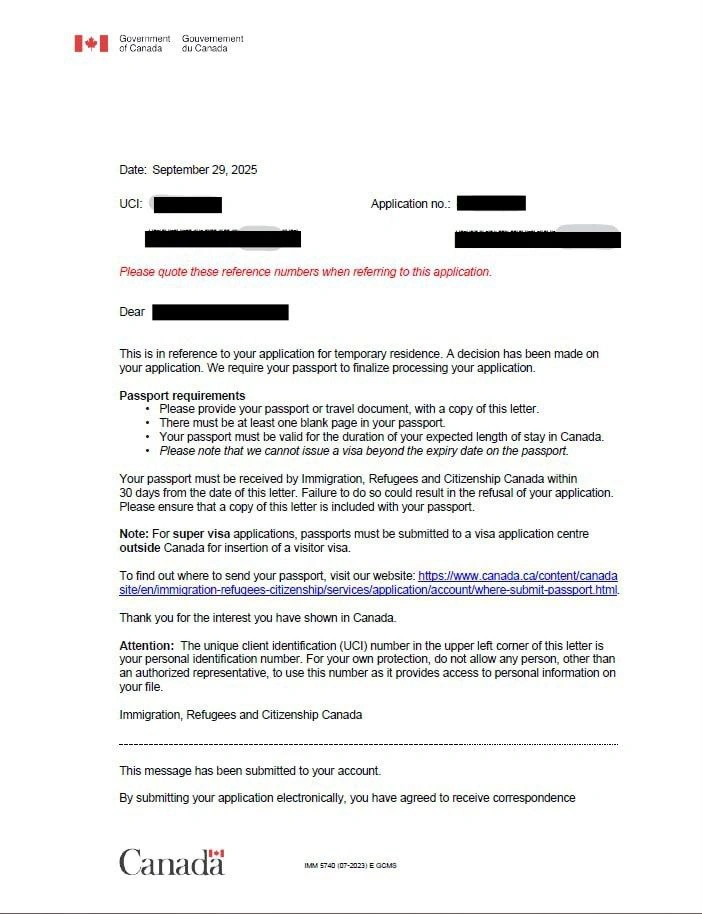
- Study Permit Application submitted in September 2023
- Mandamus application filed in July 2025
- IRCC issued a positive decision in September 2025
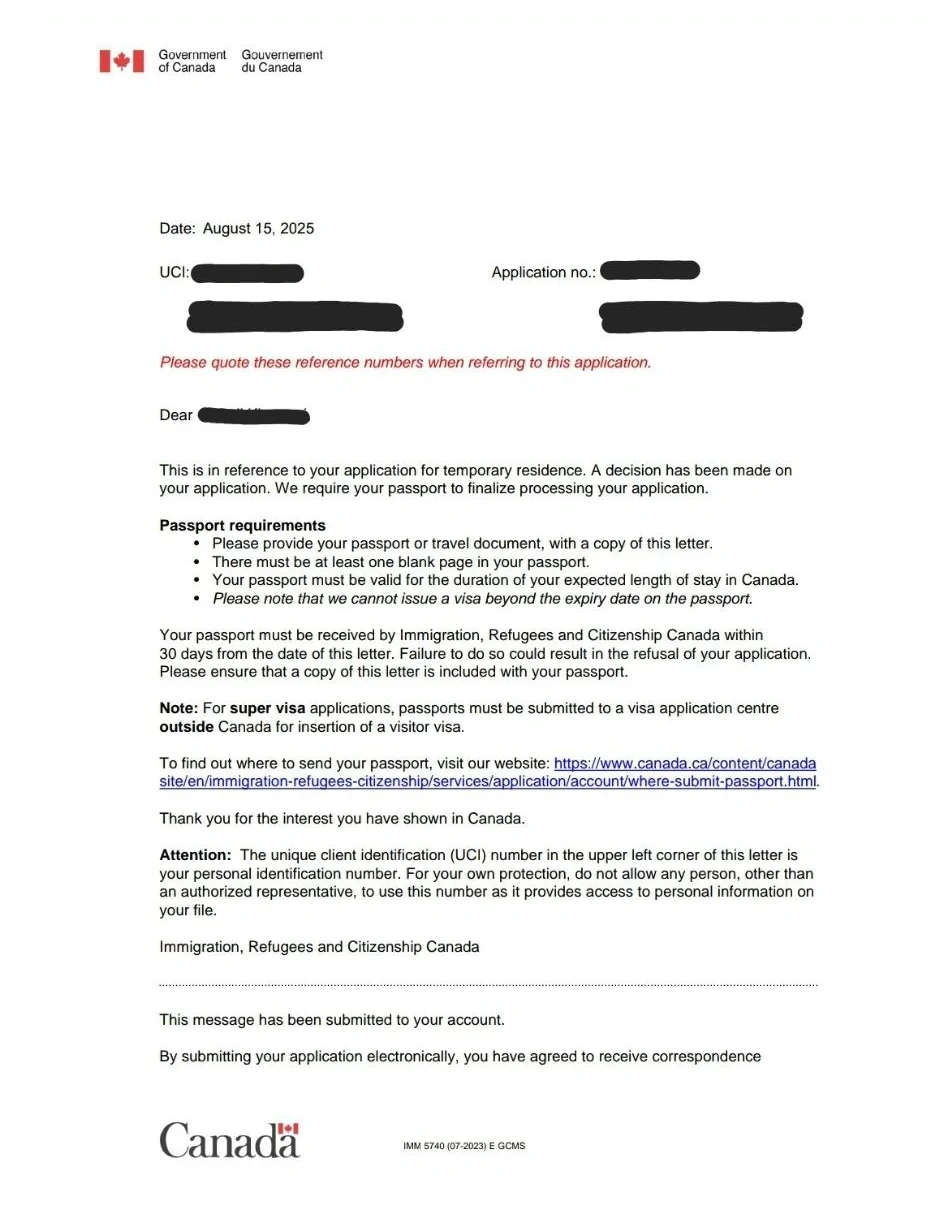
- Study Permit Application submitted in January 2024
- Mandamus application filed in April 2025
- IRCC issued a positive decision in August 2025

- Study Permit Application submitted in April 2024
- Mandamus application filed in August 2025
- IRCC issued a positive decision in September 2025
What Our Clients Say
Trustindex verifies that the original source of the review is Google. I contacted Englobe Law because my study permit application was delayed, and I needed help with the follow-up. They were organized, helpful, on time and always kept me updated. I really appreciate their support and recommend their services.Posted onTrustindex verifies that the original source of the review is Google. Mr. Yeganeh is precise, supportive, and caring. I used his law firm’s services and I am very happy with my decision to choose him as my lawyer.Posted onTrustindex verifies that the original source of the review is Google. I had a great experience working with Englobe Law. They were professional, responsive, and supportive throughout my application process. I really appreciate their guidance and would definitely recommend them.Posted onTrustindex verifies that the original source of the review is Google. I had a great experience with England Law. They provided clear, practical legal advice and were very responsive. Highly recommend for anyone in need of legal guidance!Posted onTrustindex verifies that the original source of the review is Google. “An exceptional legal team dedicated to helping immigrants navigate the complexities of the immigration process. Their expertise, professionalism, and commitment make them a trusted partner for anyone seeking a new beginning. Highly recommendedPosted onTrustindex verifies that the original source of the review is Google. Very excellent and practical Unique
Have you submitted an application to IRCC and are still awaiting a decision on your file?
You may be eligible to apply to the Federal Court for a writ of mandamus.
Submit your free consultation request with our immigration lawyer; no obligation to retain us.
Frequently Asked Questions
The timeline varies from case to case. In many situations, IRCC issues a decision within days or weeks after the mandamus application is filed. If the matter proceeds to a hearing, it can take several months before the Court issues its order compelling IRCC to make a decision.
A demand letter is strongly recommended in every mandamus case. The Federal Court expects applicants to first give IRCC a reasonable opportunity to act before filing an application.
In some cases, the webforms or correspondence you’ve already submitted to IRCC may satisfy the requirements of a formal demand letter. If that’s the case, your lawyer will not need to submit a new one. To determine this, we will carefully review all the webforms and communications you’ve sent to IRCC.
A Rule 9 request is a formal request under the Citizenship, Immigration and Refugee Protection Rules that asks the Federal Court to obtain the official written reasons for a tribunal or visa officer’s decision — usually when an immigration officer or tribunal has refused an application but has not provided full reasons.
Rule 9 requests do not apply to mandamus applications, because in a mandamus case there is no decision to request reasons for. Mandamus deals with delays, not refusals.
No. Filing a mandamus application does not negatively affect your immigration application. It is a lawful and respectful way to ask the Federal Court to ensure that IRCC fulfills its duty to make a decision within a reasonable time.
In cases where security screening is pending, the Court does not interfere with the screening process itself. Instead, it assesses whether the delay has become unreasonable in light of the time the file has been under review and the explanations provided for the delay.